
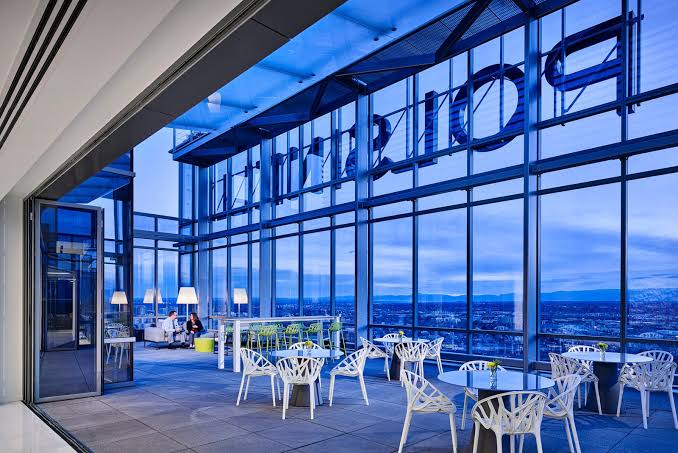
The U.S. office construction market is showing signs of renewed activity, but the recovery looks very different from previous development cycles. Rather than building speculative office towers and searching for tenants afterward, developers are prioritizing projects backed by financially strong companies and substantial preleasing commitments. According to CRE Daily, major markets such as New York, Chicago, Miami, and Washington, D.C., are experiencing selective demand for premium office space despite elevated vacancies across the broader commercial real estate market. This shift reflects an ongoing flight to quality, as businesses increasingly favor modern, well-located office buildings offering exceptional amenities, sustainability, and flexible workplace environments.
One of the biggest drivers behind the office development revival is the growing influence of major corporate tenants. In Chicago, law firm Sidley Austin is anchoring a proposed 45-story office tower in Fulton Market, supporting the city’s first new ground-up office skyscraper in more than six years. Meanwhile, American Express is advancing plans for approximately 2 million square feet at 2 World Trade Center in New York, while major financial institutions are supporting new developments in Miami. These projects demonstrate how office preleasing has become essential to securing construction financing. With some lenders reportedly requiring at least 50% of a building to be preleased, developers are increasingly dependent on creditworthy tenants willing to make long-term commitments before construction begins.
Despite renewed interest in Class A office buildings, the broader U.S. office market continues to face significant challenges. CRE Daily reports that approximately 30 million square feet of office space was delivered nationally over the preceding year, less than half the historical annual average, while roughly 49 million square feet remained in the development pipeline. At the same time, premium properties in desirable locations are commanding increasingly competitive rental rates, with some new towers exceeding $100 per square foot. This widening gap between modern trophy buildings and aging office inventory highlights the importance of location, building quality, and tenant experience. For commercial real estate investors and landlords, strategic renovations, upgraded amenities, and energy-efficient improvements may become increasingly important to maintaining occupancy and protecting property values.
For the Denver commercial real estate market, these national trends offer important insights into the future of office leasing and investment. As businesses evaluate their workplace strategies, demand for high-quality office space could create opportunities for well-positioned properties in Downtown Denver, the Denver Tech Center, and surrounding business districts. However, new construction alone does not guarantee success. Developers and property owners must understand evolving tenant preferences, financing requirements, and the growing importance of preleasing. At Community First Commercial Real Estate, we recognize that navigating today’s office market requires a strategic understanding of both emerging opportunities and existing challenges. As the commercial real estate industry continues to evolve, properties that successfully combine location, quality, flexibility, and long-term tenant value may be best positioned to compete.


