
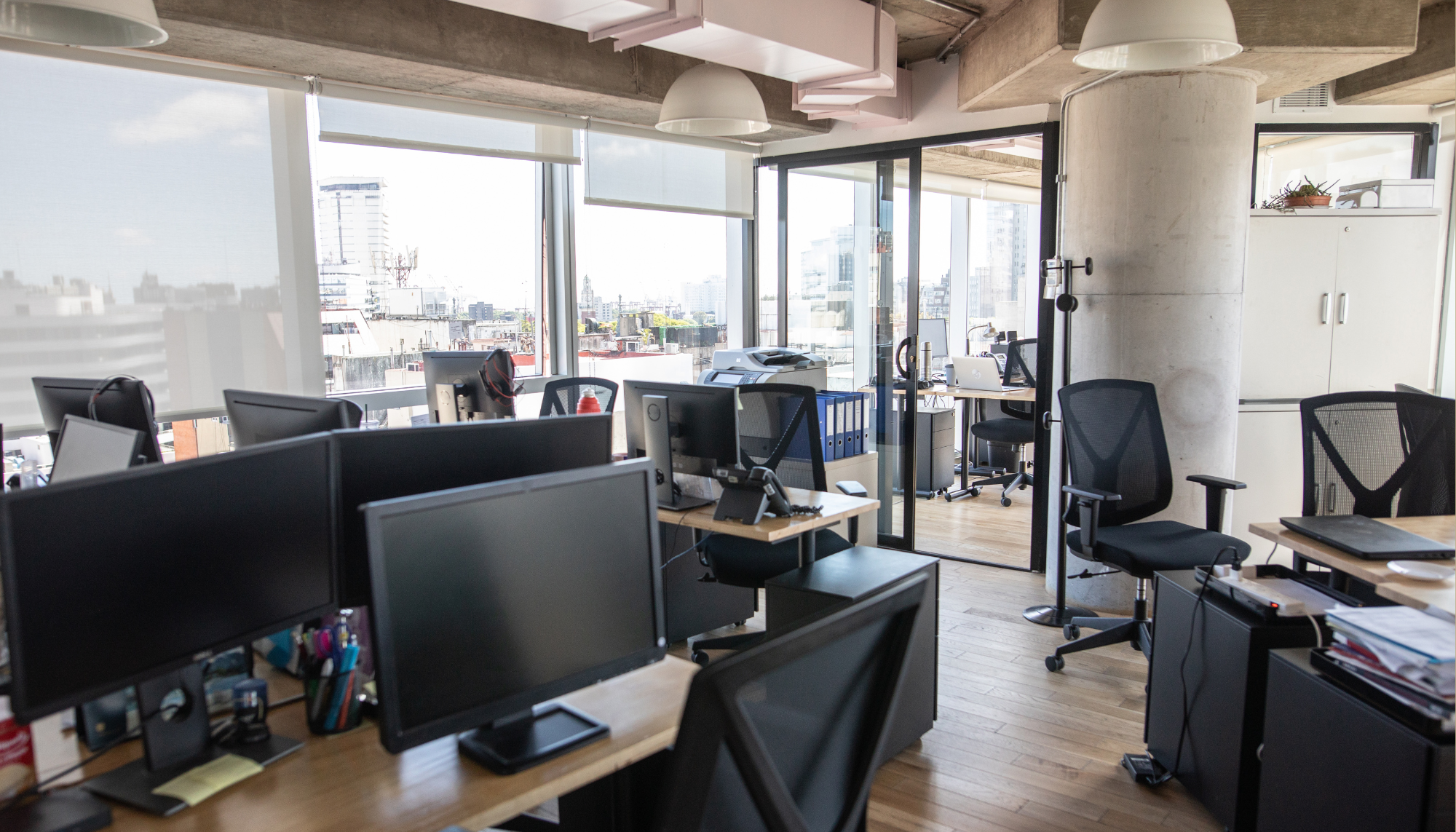
Modern office tenants are demanding more from workplace environments — and those expectations are significantly increasing fit-out costs across the commercial real estate sector. According to recent industry reports, evolving workplace standards and technical infrastructure needs are driving office build-out expenses up by approximately 10%, creating new challenges for landlords, developers, and occupiers alike.
As companies continue rethinking how office spaces support collaboration, technology, employee wellness, and hybrid work strategies, traditional office layouts are no longer enough. Today’s tenants are prioritizing highly customized, tech-enabled workplaces that require more sophisticated infrastructure and higher upfront investment.
Why Office Fit-Out Costs Are Rising
The increase in fit-out expenses is being fueled by several converging factors:
Advanced Technology Infrastructure
Modern workplaces now require stronger digital capabilities than ever before. Tenants are requesting:
- Enhanced AV and conferencing systems
- Smart office integrations
- Increased power capacity
- High-speed connectivity infrastructure
- Occupancy and environmental sensors
These upgrades create more complex build-outs compared to traditional office spaces.
Hybrid Work Design
Office layouts are evolving to support hybrid work models, leading to:
- Flexible collaboration zones
- Hoteling workstations
- Larger meeting and conferencing areas
- Multi-functional gathering spaces
- Acoustic and privacy enhancements
This shift often requires substantial redesigns rather than simple cosmetic improvements.
Employee Experience & Wellness
Companies continue investing heavily in workplace environments that attract and retain talent. Features increasingly requested include:
- Wellness rooms
- Hospitality-inspired amenities
- Enhanced air filtration systems
- Touchless technologies
- Improved lighting and ergonomic design
These additions raise both construction and operational costs.
Rising Construction & Labor Costs
Beyond design complexity, inflationary pressures continue impacting:
- Construction materials
- Skilled labor
- Mechanical and electrical systems
- Furniture and equipment procurement
Longer lead times and supply chain disruptions also contribute to elevated project budgets.
Impact on Landlords and Tenants
The increase in fit-out costs is changing lease negotiations and capital planning strategies across the office sector.
Landlords Face Higher Tenant Improvement Costs
To remain competitive in today’s office market, many landlords are offering larger tenant improvement (TI) packages and investing in upgraded speculative suites. Buildings lacking modern infrastructure may struggle to attract quality tenants without substantial reinvestment.
Tenants Prioritize Quality Over Quantity
Many occupiers are leasing smaller footprints but investing more heavily in the quality and functionality of their space. This continues the “flight to quality” trend favoring Class A office buildings with modern systems and amenities already in place.
Longer Decision-Making Timelines
As build-out costs rise, tenants are becoming more strategic and selective about relocation decisions, lease terms, and workplace investments.
The Future of Office Design
While rising fit-out costs create challenges, they also reinforce a broader transformation happening across the office sector. Today’s workplaces are increasingly viewed not simply as places to work, but as tools for culture-building, collaboration, productivity, and employee engagement.
Buildings capable of supporting advanced workplace requirements will likely continue outperforming outdated inventory as tenants prioritize high-quality, adaptable office environments.
As the office market evolves, one thing is becoming increasingly clear: workplace experience is no longer optional — and companies are willing to invest significantly to get it right.


