
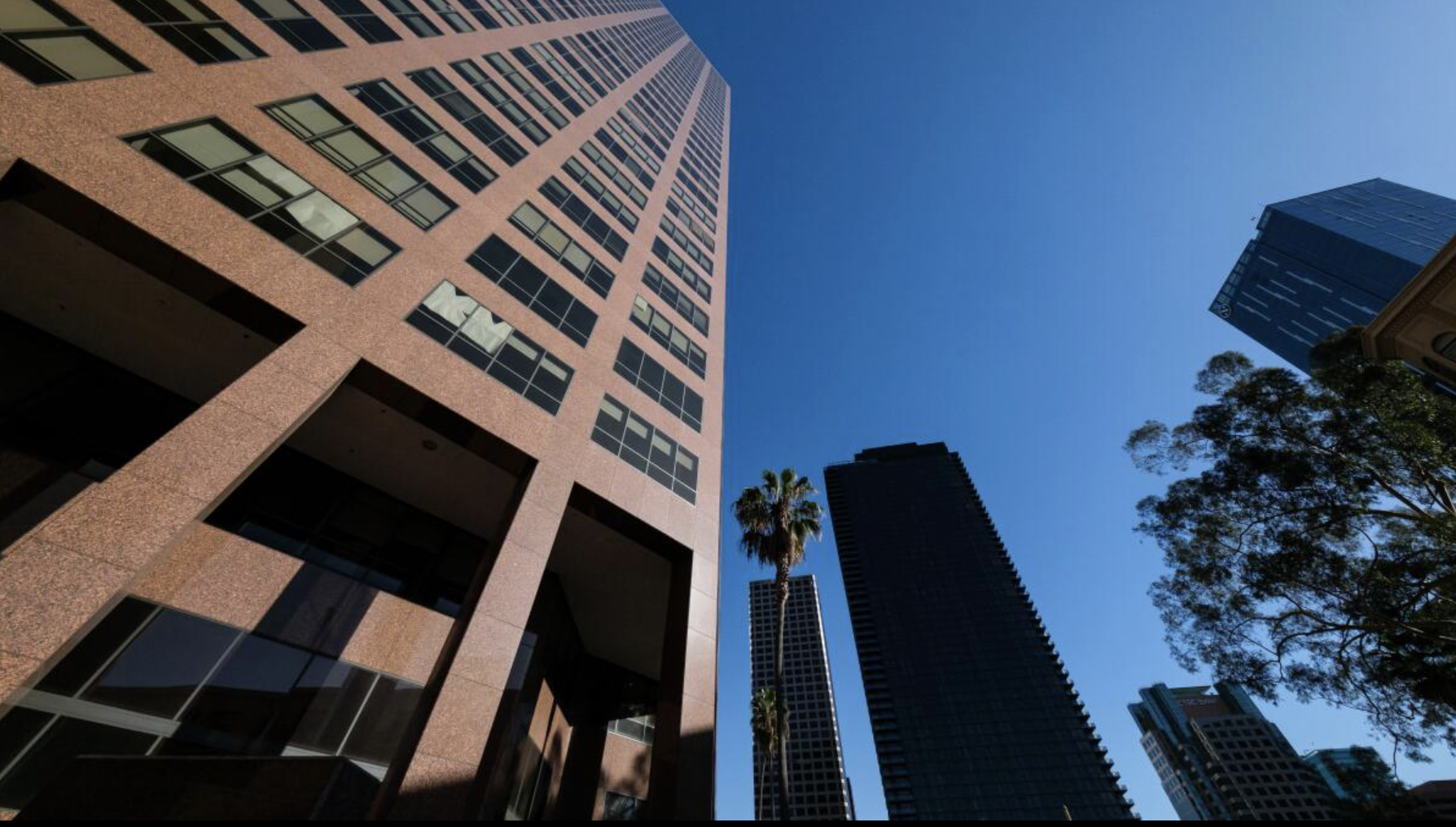
The U.S. office market continues to face significant headwinds as vacancy rates remain near record highs, hovering above 20% nationwide. Despite some signs of stabilization in select markets, overall leasing activity remains subdued particularly for older office buildings struggling to compete in today’s evolving workplace landscape.
One of the biggest challenges lies in the growing divide between newer, amenity-rich buildings and aging office properties. Tenants are increasingly prioritizing high-quality spaces that offer modern layouts, upgraded systems, and attractive amenities. Consequently, older buildings especially those without recent renovations are experiencing prolonged vacancies and declining demand. This “flight to quality” trend continues to reshape leasing patterns across major U.S. cities.
At the same time, many companies are still reassessing their long-term office needs. Hybrid work models remain widely adopted, leading to smaller footprints and delayed leasing decisions. Even as some firms return to in-office operations, they are doing so with a more strategic approach, focusing on efficiency, employee experience, and location. This shift has left a surplus of underutilized office space across the country.
Looking ahead, property owners are facing increased pressure to adapt. Some are investing in renovations to reposition older assets, while others are exploring alternative uses such as residential conversions or mixed-use redevelopment. However, these transitions come with financial and regulatory challenges, especially in markets where demand remains uncertain.
While the office sector is not without opportunity, the path forward will require innovation, flexibility, and a clear understanding of tenant priorities. As vacancy rates remain elevated, the ability to differentiate and modernize will be critical for owners navigating today’s competitive office environment.


