
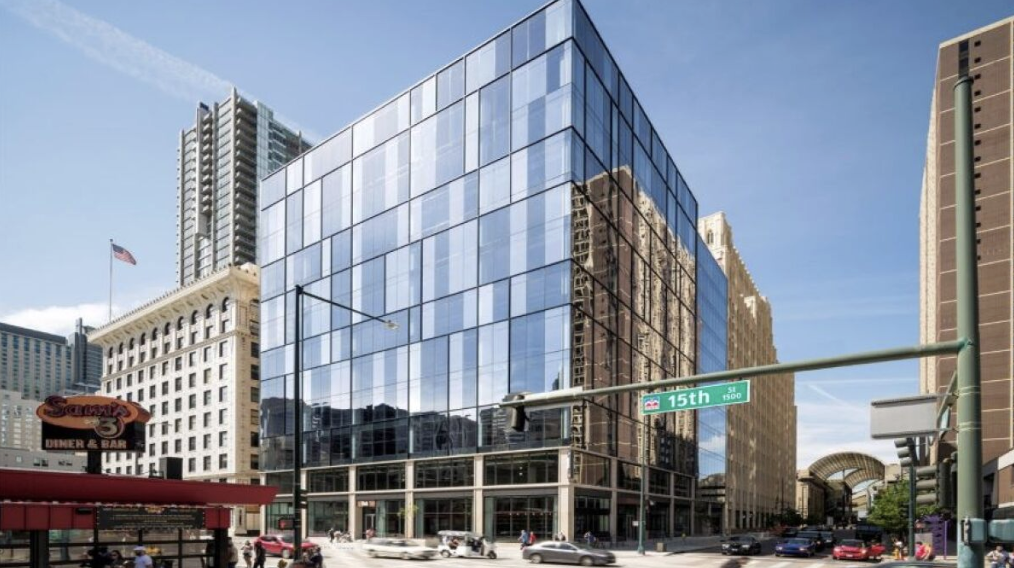
Downtown Denver is gaining momentum in office-to-residential conversion activity as the city works to address elevated office vacancy rates and breathe new life into underutilized buildings. With a $56 million public funding initiative, Denver is actively supporting adaptive reuse projects that transform outdated office space into much-needed residential housing.
This shift reflects a broader trend across major U.S. cities, where changing workplace dynamics and reduced office demand are pushing developers and municipalities to rethink how downtown real estate is used.
Why Office-to-Residential Conversions Matter in Denver
Denver’s downtown office market, like many post-pandemic urban cores, has struggled with persistent vacancy. Rather than waiting for traditional office demand to rebound, the city is investing in adaptive reuse as a long-term solution that aligns with current market realities.
Office-to-residential conversions are complex and capital-intensive, often requiring significant upgrades to plumbing, HVAC systems, window layouts, and life-safety infrastructure. The city’s funding acts as gap financing, helping projects move forward that might otherwise stall.
Projects Driving Downtown Denver’s Transformation
To date, five downtown Denver projects have received funding and are expected to deliver more than 500 residential units. One of the most notable is the historic Petroleum Building on 16th Street, which is being converted into approximately 178 residential units, complete with modern amenities such as rooftop spaces and fitness facilities.
Additional conversions involving the Symes Building and the University Building signal a broader pipeline of redevelopment activity, reinforcing the city’s commitment to revitalizing its downtown core.
Beyond Housing: Activating the Urban Core
The benefits of office-to-residential conversions extend well beyond housing supply. Adding residents downtown helps support local businesses, increases foot traffic, and creates a more vibrant, round-the-clock environment—rather than a district that empties after business hours.
These efforts are part of Denver’s larger downtown recovery strategy, supported by voter-approved funding focused on housing, economic growth, and public-space improvements.
The Bigger Picture for Investors and Developers
Denver is emerging as one of the leading U.S. markets for office-to-residential adaptive reuse, positioning the city as a model for how downtowns can evolve in response to shifting demand. While these projects come with challenges, the growing pipeline and public-private collaboration suggest that adaptive reuse will play a critical role in Denver’s long-term urban strategy.
For investors, developers, and commercial real estate professionals, this trend represents both opportunity and a signal that downtown Denver’s real estate landscape is actively being reshaped.


